
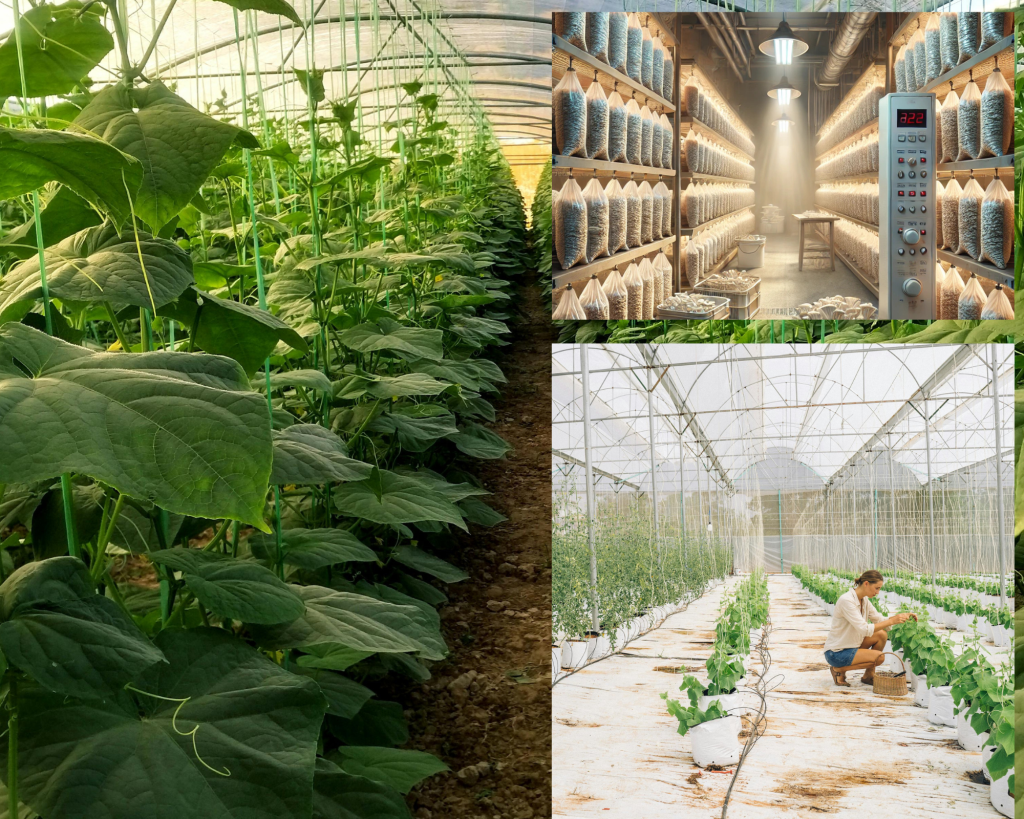
In the fast-paced world of the 21st century, where cities are becoming denser and climate change is an ever-looming reality, urban agriculture is emerging as a sustainable and essential practice. Particularly for Gen Z, a generation deeply concerned about environmental health, sustainability, and self-sufficiency, urban agriculture represents a solution to many of the challenges faced by urban dwellers. This article explores the significance of urban agriculture, its benefits, and why it resonates with Gen Z, along with actionable steps to embrace this movement.
Table of Contents
- Introduction to Urban Agriculture
- Why Gen Z is Drawn to Urban Agriculture
- Benefits of Urban Agriculture
- Environmental Benefits
- Economic Benefits
- Social Benefits
- Urban Agriculture in Practice
- Techniques and Examples
- Innovations in Urban Farming
- How to Get Started with Urban Agriculture
- Challenges and How to Overcome Them
- Conclusion: A Greener Future with Gen Z
Introduction to Urban Agriculture
Urban agriculture refers to the practice of growing food and raising animals in urban areas. Unlike conventional farming that takes place in rural settings, urban agriculture uses innovative techniques to maximize food production in smaller, confined spaces like rooftops, balconies, backyards, and even vacant lots.
With global urbanization on the rise and approximately 55% of the world’s population living in cities, this form of agriculture is more than just a trend—it’s a necessity. It addresses food security issues, improves sustainability, and contributes to the health and well-being of urban residents. For Gen Z, who value conscious consumption and environmental responsibility, urban agriculture is a movement worth embracing.
Why Gen Z is Drawn to Urban Agriculture
1. Climate Anxiety and Environmental Awareness
Gen Z is often described as the most environmentally conscious generation. Having grown up witnessing the effects of climate change, such as rising temperatures, deforestation, and pollution, they are more motivated to adopt sustainable practices. Urban agriculture allows them to reduce their carbon footprint by producing food locally and minimizing reliance on long-distance supply chains.
2. The DIY Movement and Self-Sufficiency
The DIY (Do It Yourself) culture resonates deeply with Gen Z, who prioritize independence and creativity. Growing their own food in urban spaces aligns perfectly with this ethos. It provides a sense of empowerment, allowing them to control what they consume while reducing dependency on supermarket supply chains.
3. A Shift Toward Healthy Lifestyles
Urban agriculture encourages healthy eating by providing access to fresh, organic produce. Gen Z, who prioritize mental and physical well-being, view urban farming as a way to nourish themselves with chemical-free food while also finding a therapeutic escape from the stress of urban living.
4. Tech-Savvy Approach to Sustainability
This generation thrives in the digital world and is quick to adopt technological innovations. Urban farming aligns with their passion for technology, offering opportunities to use tools such as vertical farming systems, hydroponics, and smart gardening devices.
Benefits of Urban Agriculture
Urban agriculture has far-reaching benefits that cater not only to individuals but also to the community and the planet at large. Let’s break it down into three categories:
Environmental Benefits
- Reduces Carbon Footprint
By growing food locally, urban agriculture cuts down on transportation emissions, packaging waste, and energy used in conventional farming. - Improves Air Quality
Plants in urban farms act as natural air purifiers, absorbing carbon dioxide and releasing oxygen, which helps combat pollution in cities. - Promotes Biodiversity
Urban agriculture creates green spaces that attract pollinators like bees and butterflies, promoting a healthier ecosystem.
Economic Benefits
- Cost-Effective Food Production
Growing your own vegetables, herbs, and fruits reduces grocery bills. - Job Creation
Urban farms create employment opportunities in farming, food distribution, and technology development for sustainable agriculture. - Urban Land Utilization
Vacant lots and unused rooftops can be converted into productive urban farms, boosting local economies.
Social Benefits
- Strengthens Community Bonds
Urban agriculture often involves community gardens where neighbors come together to grow food, share resources, and build connections. - Educational Opportunities
Schools and community centers can use urban farms as learning hubs to teach children and adults about sustainability and nutrition. - Improves Mental Health
Gardening is known to reduce stress and anxiety, offering a therapeutic outlet for individuals living in fast-paced urban environments.
| Benefit | Description |
|---|---|
| Environmental | Reduces emissions, improves air quality, promotes biodiversity |
| Economic | Saves money on groceries, creates jobs, utilizes urban land |
| Social | Builds community, provides education, improves mental health |
Urban Agriculture in Practice
Urban agriculture is not just a theoretical concept—it is happening in cities worldwide. Below are some practical techniques and real-life examples:
Techniques and Examples
- Rooftop Gardens
Many urban dwellers are converting rooftops into vegetable and herb gardens. Cities like New York and Tokyo have seen a surge in rooftop farming projects. - Vertical Farming
Vertical farming uses stacked layers to grow crops in controlled environments. Companies like AeroFarms and Plenty have revolutionized urban agriculture with this technique. - Hydroponics and Aquaponics
These soil-less farming methods use water and nutrients to grow plants indoors, making them ideal for small spaces.
Innovations in Urban Farming
- Smart Gardening Devices
Gen Z can leverage IoT-based gardening tools, like smart irrigation systems and soil sensors, to monitor and optimize plant growth. - LED Lighting for Indoor Farming
LED technology has enabled urban farmers to grow crops indoors year-round, regardless of natural light availability. - Composting Systems
Urban agriculture encourages composting kitchen waste, reducing landfill contributions and creating nutrient-rich soil for plants.
How to Get Started with Urban Agriculture
Here are some actionable steps to begin your journey into urban farming:
- Choose the Right Space
Identify available areas such as balconies, rooftops, or backyards where you can set up your urban farm. - Start Small
Begin with easy-to-grow plants like herbs (basil, mint, cilantro) and leafy greens (spinach, lettuce). - Invest in Basic Tools
Purchase planters, soil, seeds, and basic gardening tools to kick-start your farming project. - Educate Yourself
Take online courses, watch tutorials, or join urban farming communities to learn techniques and best practices. - Experiment with Advanced Techniques
Once comfortable, explore hydroponics, aquaponics, or vertical farming for higher yields in limited spaces.
Challenges and How to Overcome Them
While urban agriculture has numerous advantages, it also comes with its own set of challenges:
- Limited Space
Urban areas often lack sufficient space for large-scale farming.
Solution: Use vertical gardening, hanging planters, or rooftop spaces. - Initial Investment Costs
Advanced farming systems like hydroponics can be expensive.
Solution: Start small with traditional soil-based gardening and scale up over time. - Lack of Knowledge
Many people lack experience in farming techniques.
Solution: Participate in workshops or join local gardening groups for hands-on learning.
Conclusion: A Greener Future with Gen Z
Urban agriculture is more than a trend—it’s a movement that aligns with the values and aspirations of Gen Z. By embracing this practice, they can contribute to a more sustainable, healthier, and self-sufficient future. From reducing carbon footprints to fostering community connections, urban agriculture offers a range of benefits that make it the need of the hour.
As Gen Z takes the reins of the future, urban agriculture provides a tangible way for them to address pressing global challenges while creating greener and more livable cities. So, why wait? Start your urban farming journey today and become part of this transformative movement!
This article is structured to inform and inspire readers while remaining engaging and concise. Add visuals and proper formatting for a polished final piece!