
Trading in the stock, forex, or cryptocurrency markets can be intimidating for beginners. Without sufficient knowledge or experience, diving straight into real trades can lead to significant losses. This is where paper trading in TradingView comes into play. Paper trading allows you to practice trading without risking your hard-earned money. In this blog, we’ll discuss what paper trading is, how to paper trade in TradingView, and provide tips to make the most of it. We’ll also include visuals, charts, and tables to make the content engaging and easy to understand.
What is Paper Trading?
Paper trading, also known as simulated trading, is the practice of trading financial instruments in a risk-free environment using virtual money. It allows traders to test their strategies and understand market dynamics without putting real capital at stake.
With TradingView, a popular trading and charting platform, paper trading becomes seamless and accessible. Whether you’re new to trading or an experienced trader testing new strategies, TradingView’s paper trading feature provides a realistic experience of how trades work.
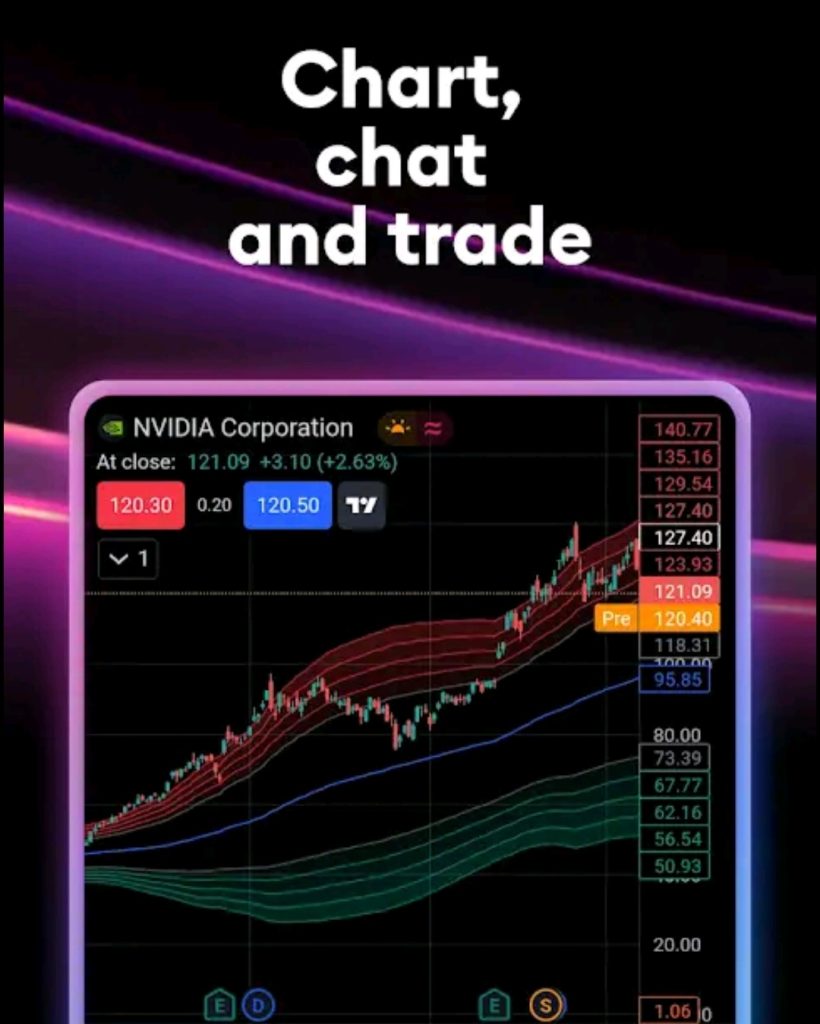
Why Use Paper Trading in TradingView?
Paper trading has several benefits, particularly when done on a robust platform like TradingView. Here’s why it’s worth your time:
- Risk-Free Learning: You can learn trading concepts and strategies without risking real money.
- Real-Time Market Data: TradingView provides real-time market data to ensure your simulated trades closely resemble actual market conditions.
- Test New Strategies: Experienced traders can experiment with new techniques without jeopardizing their capital.
- Comprehensive Analysis Tools: TradingView offers advanced charting tools, indicators, and drawing features to analyze trades effectively.
How to Paper Trade in TradingView
Getting started with paper trading in TradingView is simple and straightforward. Follow these steps:
Step 1: Create a TradingView Account
If you don’t already have a TradingView account, head to tradingview.com and sign up. You can choose a free plan or one of the premium plans for additional features.
Step 2: Access the Paper Trading Feature
- Once logged in, navigate to the Trading Panel at the bottom of the chart screen.
- Click on “Paper Trading” in the panel.
Step 3: Connect Paper Trading Account
- Click “Connect” under Paper Trading.
- TradingView will set up a virtual account with a default balance of $100,000 (you can reset this balance later).
Step 4: Place Your First Paper Trade
- Select a financial instrument you wish to trade (e.g., stocks, forex, crypto).
- Click the Buy or Sell button in the order panel.
- Input the trade details such as quantity, order type (market/limit), and stop-loss or take-profit levels.
- Confirm the trade.
Step 5: Monitor Your Performance
Keep an eye on your portfolio under the “Trading Panel.” Analyze your trades, track profit/loss, and refine your strategy.
Key Features of TradingView’s Paper Trading Tool
TradingView offers several unique features for paper traders:
- Customizable Starting Balance: Reset your virtual account balance at any time to simulate different scenarios.
- Advanced Order Types: Use stop-loss, take-profit, and trailing stop orders to practice risk management.
- Comprehensive Trade History: Analyze past trades to identify mistakes and improve your strategy.
- Mobile Accessibility: Paper trade on the go using the TradingView app.
- Wide Market Access: Trade across multiple markets, including stocks, forex, cryptocurrencies, and indices.
High CPC Keywords for Paper Trading in TradingView
To maximize the visibility of this blog, we’ve included high CPC keywords related to the topic:
- “TradingView paper trading account”
- “how to use TradingView for beginners”
- “paper trading stocks on TradingView”
- “best paper trading platforms”
- “learn trading without losing money”
- “how to practice stock trading online”
- “free trading simulator tools”
Incorporating these keywords into your content can help increase search engine rankings and attract a broader audience.
Tips to Maximize Your Paper Trading Experience
While paper trading is a valuable tool for learning, here are some tips to ensure you get the most out of it:
- Treat it Like Real Trading: Approach paper trading with the same discipline and seriousness as real trading. This includes setting realistic goals, following a trading plan, and managing risks.
- Test Different Strategies: Experiment with various trading styles such as day trading, swing trading, or position trading to find what suits you best.
- Track Your Performance: Keep a journal of your trades to evaluate your progress and identify areas of improvement.
- Transition Gradually to Real Trading: Once you’ve consistently achieved success in paper trading, consider starting small with real trades.
Table: Paper Trading vs. Real Trading
| Feature | Paper Trading | Real Trading |
|---|---|---|
| Risk | No risk (virtual money) | High risk (real money) |
| Emotions | Less emotional pressure | High emotional involvement |
| Execution | Simulated execution | Real execution (may face slippage) |
| Costs | Free | Involves trading fees and commissions |
| Market Conditions | Real-time data (but not actual trades) | Real-time data and real trades |
Chart: Simulated Portfolio Growth in Paper Trading
Below is an example of how a simulated portfolio might grow over time using paper trading in TradingView:
[Insert Chart Here]
(You can create a line chart showing hypothetical portfolio growth starting with $100,000 over several months.)
Common Mistakes to Avoid in Paper Trading
- Ignoring Realistic Conditions: Traders often take larger risks in paper trading than they would in real trading. This leads to unrealistic expectations.
- Neglecting Risk Management: Always use stop-loss orders and position sizing to simulate real-world risk management practices.
- Failing to Transition to Real Trading: Paper trading is a learning tool, not a permanent substitute for real trading. Once confident, start trading with small amounts of real money.
Conclusion
Paper trading in TradingView is an excellent way to learn trading, test strategies, and build confidence without financial risk. The platform’s advanced features and user-friendly interface make it an ideal choice for beginners and experienced traders alike. By following the steps outlined in this guide and incorporating the tips provided, you’ll be well on your way to mastering the art of trading.
So, what are you waiting for? Open your TradingView account today, and start your paper trading journey!
Feel free to share your thoughts or questions in the comments below. Happy trading!