
Top 5 Scalping Strategies for Beginners: A Comprehensive Guide
Scalping is a popular trading strategy in financial markets that focuses on making small profits from minute price movements. For beginners, it may seem daunting at first, but with the right strategies, you can enhance your chances of success. This blog post will explore the top 5 scalping strategies for beginners, helping you navigate through this fast-paced trading method.
What is Scalping?
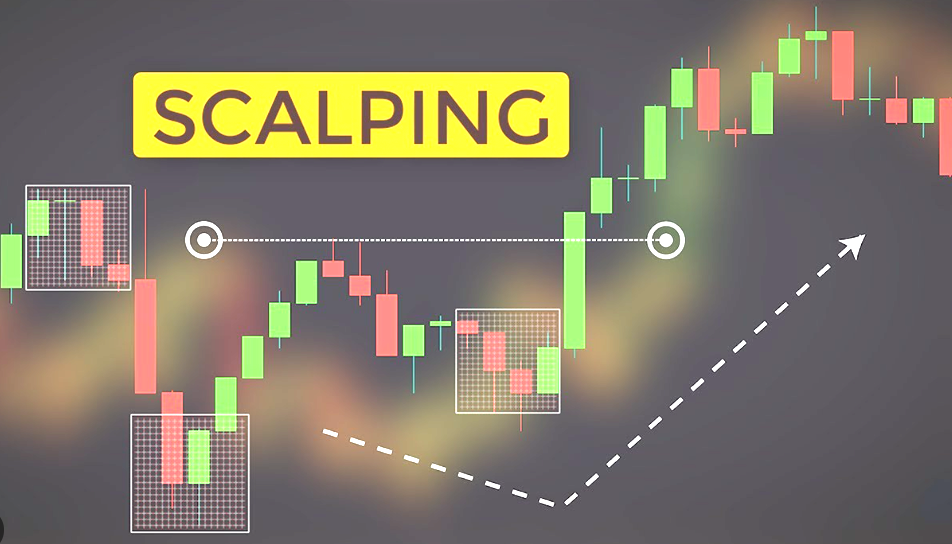
Scalping is a short-term trading strategy where traders aim to profit from small price movements in a short period. Unlike long-term traders who hold positions for hours or days, scalpers typically enter and exit the market within minutes, sometimes even seconds. This requires quick decision-making, precision, and a solid understanding of market indicators.
Why Scalping is Popular Among Beginners
Scalping can be appealing to beginners because:
- Low Capital Requirement: You don’t need a large initial investment.
- Frequent Opportunities: There are numerous opportunities throughout the day to make trades.
- Small Risk per Trade: Since the profits per trade are small, the risk is lower.
However, successful scalping requires a strong understanding of the market, the right tools, and a disciplined mindset.
Top 5 Scalping Strategies for Beginners
1. The 1-Minute Scalping Strategy
Overview:
The 1-Minute Scalping Strategy is a popular technique among traders, where they take advantage of price movements within a 1-minute time frame. This strategy requires precision, as the market tends to move very quickly in such a short window.
How to Implement:
- Timeframe: 1-minute charts.
- Indicators: Simple Moving Average (SMA), Relative Strength Index (RSI).
- Entry Point: Buy when the price is above the SMA and RSI is above 50. Sell when the price is below the SMA and RSI is below 50.
- Exit Point: Close positions when there is a small price movement in your favor.
Pros:
- High number of trades can lead to cumulative profits.
- Easy to spot entry signals.
Cons:
- Requires fast execution and quick decision-making.
- High transaction costs due to the volume of trades.
2. The Breakout Scalping Strategy
Overview:
Breakout scalping involves trading when the price breaks out of a specific range or level of support or resistance. The strategy is based on the belief that when a price breaks out, it will continue moving in the direction of the breakout for a short period.
How to Implement:
- Timeframe: 5-minute charts.
- Indicators: Bollinger Bands, Volume indicators.
- Entry Point: Buy when the price breaks above a resistance level with an increase in volume. Sell when it breaks below a support level.
- Exit Point: Exit when the price retraces back into the range.
Pros:
- High probability of quick profits when the breakout is strong.
- Less time spent monitoring trades.
Cons:
- False breakouts can lead to losses.
- Requires strong risk management.
3. The Moving Average Cross Strategy
Overview:
The Moving Average Cross Strategy is a trend-following scalping method that involves using two moving averages: one short-term and one long-term. When the short-term moving average crosses above the long-term moving average, it signals a buy. Conversely, a cross below indicates a sell signal.
How to Implement:
- Timeframe: 15-minute charts.
- Indicators: Exponential Moving Average (EMA) or Simple Moving Average (SMA) (50-period and 200-period).
- Entry Point: Buy when the short-term moving average crosses above the long-term moving average. Sell when it crosses below.
- Exit Point: Exit when the moving averages cross in the opposite direction.
Pros:
- Easy to use and understand.
- Works well in trending markets.
Cons:
- May produce false signals in ranging markets.
- Slower to react during choppy market conditions.
4. The Stochastic Oscillator Strategy
Overview:
The Stochastic Oscillator is a momentum indicator that helps identify overbought and oversold conditions in the market. For scalping, traders use this indicator to enter positions when the market shows signs of reversal.
How to Implement:
- Timeframe: 5-minute or 15-minute charts.
- Indicators: Stochastic Oscillator (14,3,3).
- Entry Point: Buy when the Stochastic Oscillator crosses below 20 (oversold) and then rises above it. Sell when the Stochastic Oscillator crosses above 80 (overbought) and then falls below it.
- Exit Point: Exit when the Stochastic line crosses in the opposite direction.
Pros:
- Helps to identify overbought and oversold conditions.
- Can provide reliable entry points in trending markets.
Cons:
- Can be inaccurate in strongly trending markets.
- Requires close monitoring.
5. The Price Action Scalping Strategy
Overview:
Price Action Scalping focuses on reading the market’s raw price movements without relying on indicators. It’s all about understanding support and resistance, trendlines, and candlestick patterns.
How to Implement:
- Timeframe: 1-minute or 5-minute charts.
- Indicators: None (relying solely on price action).
- Entry Point: Look for reversal patterns like pin bars, engulfing candles, or inside bars near support or resistance.
- Exit Point: Exit after a small profit or when price shows signs of reversing.
Pros:
- No need for indicators, making it straightforward.
- Can work in all market conditions.
Cons:
- Requires a lot of practice and experience to read price movements accurately.
- Can be difficult for beginners to master quickly.
Key Considerations for Successful Scalping
While these strategies are helpful, success in scalping also depends on certain factors:
1. Risk Management
- Set strict stop-loss orders to prevent large losses.
- Only risk a small percentage of your capital on each trade.
2. Platform & Tools
- Use a reliable trading platform with fast execution speeds.
- Advanced charting tools can enhance your ability to spot setups.
3. Market Conditions
- Scalping is most effective in volatile markets with enough liquidity. Avoid scalping in thinly traded markets.
4. Time Commitment
- Scalping requires constant attention and quick decision-making. Be prepared to dedicate time to the screens.
Comparison Table: Scalping Strategies
| Strategy | Timeframe | Indicators | Pros | Cons |
|---|---|---|---|---|
| 1-Minute Scalping | 1-minute | SMA, RSI | High trade frequency, simple entry/exit points | Requires fast execution, high transaction costs |
| Breakout Scalping | 5-minute | Bollinger Bands, Volume | Profitable in breakout markets, low time spent | False breakouts can cause losses |
| Moving Average Cross Strategy | 15-minute | 50-period & 200-period MA | Works well in trending markets, easy to understand | False signals in range-bound markets |
| Stochastic Oscillator Strategy | 5-15 minute | Stochastic Oscillator | Helps identify overbought/oversold conditions | Inaccurate in strong trends |
| Price Action Scalping | 1-5 minute | None | No indicators, simple method, versatile | Requires experience, difficult to master |
Conclusion: Scalping Made Easy for Beginners
Scalping can be an excellent strategy for beginners looking to take advantage of small price movements in the market. By mastering one or more of the strategies outlined above, you can start building your skills as a scalper. Remember, practice, patience, and discipline are key to success. Use proper risk management and stay updated with market trends to maximize your profits.
Happy trading!