
The concrete jungle doesn’t have to be a food desert. More and more, people are realizing that the future of food, and a meaningful connection with nature, can be found within the heart of our cities. Urban farming, once a niche concept, is blossoming into a vital movement. Whether you have a tiny balcony, a small backyard, or even just a sunny windowsill, participating in urban agriculture is not only possible, it’s incredibly rewarding. This article will explore five fantastic small-space urban farming ideas that can transform your living space into a flourishing centre of agriculture in the city.
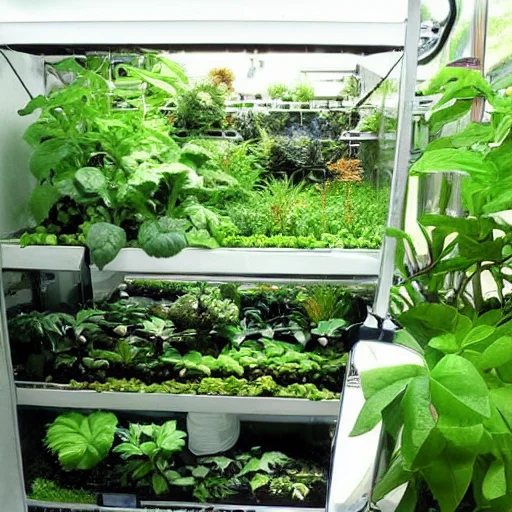
Why Embrace Urban Agriculture?
Before we dive into the specifics, let’s quickly touch on why embracing agriculture in the city is such a powerful and positive movement. Beyond the obvious benefit of fresh, home-grown produce, urban farming:
- Reduces Your Carbon Footprint: By growing food close to home, you minimize transportation, packaging, and associated emissions.
- Enhances Food Security: Access to fresh, affordable produce improves local food security and resilience.
- Boosts Well-being: Gardening is proven to reduce stress, boost mood, and provide a sense of accomplishment.
- Creates Community: Urban farms and gardens become hubs for connection, learning, and collaboration.
- Beautifies Urban Spaces: Greenery adds beauty and life to concrete landscapes, improving our environment.
Transforming Your Space: 5 Small-Scale Urban Farming Ideas
Here are five accessible ideas to get you started, regardless of your available space:
1. Vertical Gardening: Growing Up, Not Out
When space is at a premium, vertical gardening is your secret weapon. This technique uses vertical structures to create growing areas, maximizing your yield in a small footprint.
- How to do it: Think pallet gardens, wall planters, stacked containers, or even repurposed gutters. You can purchase ready-made systems or create your own with a bit of DIY.
- Best Crops: Herbs, leafy greens (like lettuce and spinach), strawberries, and shallow-rooted vegetables like radishes thrive in vertical systems.
Tips:
*   Use lightweight soil mixes that drain well for container gardening.
*   Ensure plants get adequate sunlight and water.
*   Consider different materials for your vertical structure, depending on your style and cost considerations.
2. Container Gardening: The Versatile Option
Container gardening is a classic urban farming method for a reason. It’s extremely flexible and can be used on balconies, patios, rooftops, and even indoors.
- How to do it: Use pots, tubs, buckets, or other containers to grow your chosen plants. Choose appropriate container sizes based on plant requirements.
- Best Crops: Almost anything can be grown in containers with the right conditions. Favourites include tomatoes, peppers, herbs, dwarf varieties of fruits, and root vegetables like carrots and potatoes (in larger containers).
Tips:
*   Ensure containers have drainage holes to prevent waterlogging.
*   Match your container size to the plant’s mature size.
*   Use a quality potting mix rather than garden soil.
*   Water regularly, as containers tend to dry out faster than the ground.
3. Windowsill Gardens: Bringing the Green Indoors
Don’t underestimate the power of a sunny windowsill! It’s the perfect starting point for many people’s journey into urban farming, especially those with limited outdoor space.
- How to do it: Use small pots, trays, or even repurposed containers to grow plants on your window sills.
- Best Crops: Herbs like basil, mint, chives, and oregano are easy to grow indoors. You can also grow small leafy greens, microgreens, and even some varieties of peppers.
Tips:
*   Choose windows that get at least 4-6 hours of direct sunlight per day.
*   Rotate your plants regularly to ensure even growth.
*   Consider using grow lights in winter or if your natural light is insufficient.
4. Raised Bed Gardening: Elevated Growing
If you have a small outdoor space like a yard or a patio, raised beds can be an excellent way to grow larger crops without disturbing the existing soil.
- How to do it: Build or buy raised bed frames and fill them with a mixture of good quality soil, compost, and other organic matter.
- Best Crops: A wide range of vegetables including peppers, kale, lettuce, zucchini, beans, and root crops like carrots and beets grow wonderfully in raised beds. You can also grow herbs and flowers to attract beneficial insects.
Tips:
*   Position raised beds in a sunny spot.
*   Use a weed barrier to minimize unwanted growth.
*   Build your raised beds to a comfortable height for easy maintenance.
5. Hydroponic Systems: Soil-less Solutions
For a more advanced (but still accessible) approach, consider hydroponics, where plants are grown without soil using nutrient-rich water.
- How to do it: There are many types of hydroponic systems, from simple setups to automated ones. These can range from small countertop systems to systems that fit in a larger room.
- Best Crops: Leafy greens, herbs, strawberries, and some peppers tend to do well in hydroponic setups. Hydroponics is efficient and can result in faster growth.
Tips:
*   Start with a simple hydroponic system to learn the basics before investing in complex ones.
*   Monitor nutrient levels and water quality carefully.
*   Ensure adequate lighting, as indoor set-ups need specific light requirements.
Table: Comparing Urban Farming Methods
| Method | Space Required | Complexity | Crops | Pros | Cons |
|---|---|---|---|---|---|
| Vertical Gardening | Very Small to Small | Low to Medium | Herbs, Leafy Greens, Strawberries | Space efficient, visually appealing, DIY potential | Requires strong structure, some maintenance |
| Container Gardening | Small to Medium | Low | Wide variety, including Tomatoes, Peppers | Extremely flexible, movable, adaptable to any space | Can dry out quickly, requires specific potting mix |
| Windowsill Gardens | Very Small | Low | Herbs, Microgreens, Small Leafy Greens | Easy to start, brings greenery indoors, minimal space needed | Limited space, relies on good window light |
| Raised Bed Gardening | Small to Medium | Medium | Wide variety including Vegetables, Herbs | Provides good drainage and soil control, raised beds are easier to work in | Requires space, more initial setup, more expensive |
| Hydroponic Systems | Small to Medium | Medium to High | Leafy Greens, Herbs, Strawberries | Fast growth, efficient water and nutrient use | Requires more technical knowledge, higher initial costs |
Ready to Grow?
Starting your own urban garden doesn’t need to be overwhelming. The key is to start small, learn as you go, and most of all, have fun! With these ideas, you can transform your urban space into a flourishing hub of fresh produce and reconnect with nature, right in the heart of your city. Urban farming is the path to a greener, tastier, and more vibrant urban life.

FAQs on Urban Farming
- Q: How much time does urban gardening require?
- A: It depends on the size of your garden. Starting small with a few containers might take as little as 30 minutes a week to maintain, whereas a larger garden might require a couple of hours.
- Q: What are the easiest plants to start with?
- A: Herbs like basil, mint, and chives are very beginner-friendly, along with leafy greens like lettuce and spinach.
- Q: Do I need special equipment?
- A: Not necessarily! You can start with very basic tools like a trowel, gloves, and a watering can. As you progress, you may want to invest in more specialized tools, but it is not a necessity.
- Q: Where can I get seeds and plants?
- A: Local nurseries are a great option and provide expert advice. You can explore online seed suppliers and even save seeds from your own harvest for the next planting season!
- Q: Can I grow vegetables indoors if I don’t have natural light?
- A: Yes, you can use grow lights to supplement or replace natural light for indoor gardens.
Let’s get growing!
This article provides information and ideas for starting small-scale urban farming. Remember, the best approach is to find what works for your unique space and preferences. Happy gardening!