
The world is changing, and so is the way we think about food. As urban populations continue to grow, the traditional model of agriculture, often located far from our cities, faces new challenges. Enter urban farming – a movement that’s literally bringing the farm to our doorsteps. More than just a trendy hobby, urban farming is a powerful solution that’s reshaping our relationship with food, our communities, and even the future of agriculture itself. Let’s delve into this exciting landscape and see how it’s blossoming in the heart of our cities.
What Exactly is Urban Farming?
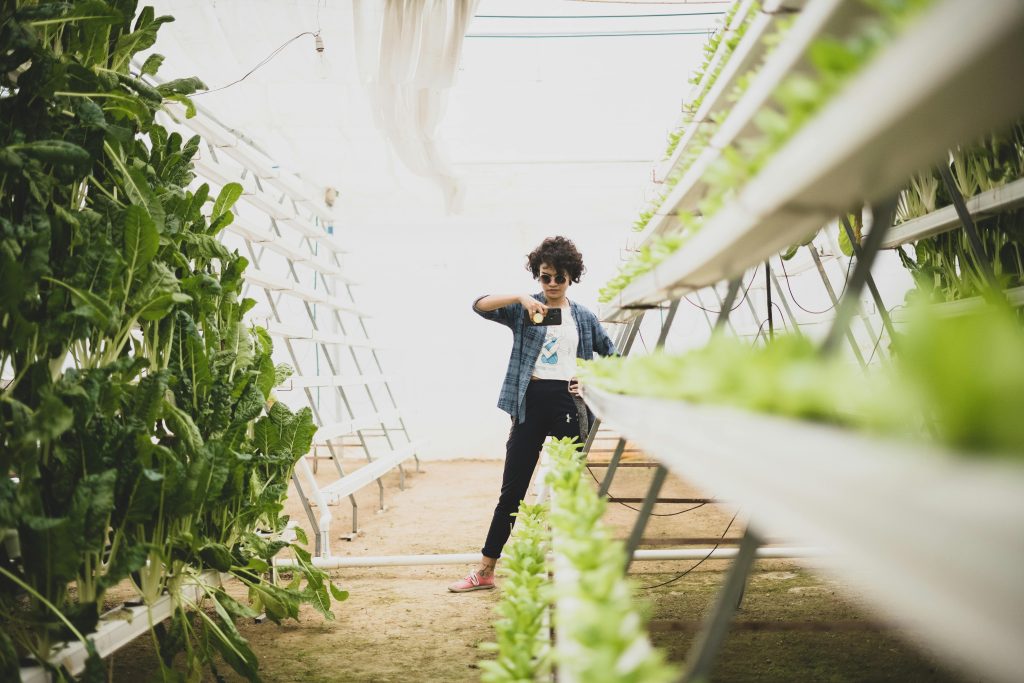
At its core, urban farming is the practice of growing and producing food within an urban or peri-urban environment. It’s not about massive fields of crops stretching to the horizon, but rather, a creative exploration of utilising available urban spaces. This can range from small-scale balcony gardens and rooftop farms to community gardens, vertical farms in warehouses, and even hydroponic and aquaponic systems tucked away in repurposed buildings. The beauty of urban farming lies in its diversity and adaptability, allowing individuals and communities to tailor solutions that best fit their specific needs and surroundings.
Why is Urban Farming Gaining Popularity?
The rise of urban farming is fueled by a confluence of factors, all pointing to the need for more sustainable and localised food systems.
- Food Security: As global supply chains face disruptions from climate change, geopolitical tensions, and other uncertainties, urban farming offers a way to enhance local food security. Growing food closer to home means less reliance on long-distance transportation, reducing the risk of shortages.
- Fresh, Local Produce: Urban farms often provide access to fresher, more nutritious produce than what is typically found in supermarkets, which can travel long distances and undergo extensive storage. The “farm-to-table” movement has never been more accessible.
- Community Building: Urban gardens are not just about growing food; they’re also community hubs. They offer opportunities for neighbors to connect, share knowledge, and work together towards a common goal. Community gardens can foster a sense of belonging, especially in densely populated areas.
- Environmental Benefits: Urban farming can contribute to a more sustainable urban ecosystem. Plants help absorb carbon dioxide, reducing the urban heat island effect. Green spaces also improve air quality and provide habitat for pollinators.
- Education and Awareness: Growing your own food can be incredibly educational, especially for children. It connects us to the process of food production, helps us appreciate the labour involved, and promotes healthier eating habits.
- Economic Development: Urban farms can create local jobs, especially in areas with high unemployment. They can also provide a source of income for individuals and families involved in these initiatives.
Different Forms of Urban Farming
Urban farming is not a monolithic practice; it encompasses a range of methods and approaches that can be adapted to suit different conditions. Here are a few examples:
| Type of Urban Farming | Description | Space Requirements | Typical Crops | Benefits |
|---|---|---|---|---|
| Balcony/Patio Gardens | Small-scale gardens using pots, planters, or raised beds on balconies, patios, or decks. | Minimal | Herbs, vegetables, fruits, flowers | Easy to set up, requires minimal investment, accessible to apartment dwellers. |
| Rooftop Farms | Utilizing rooftops of buildings for growing crops, often using container gardening or hydroponic systems. | Moderate to Large | Vegetables, herbs, fruits, sometimes small trees | Enhances sustainability of buildings, reduces urban heat island effect, maximizes underutilized space. |
| Community Gardens | Shared plots of land where multiple individuals or families tend to their own gardens and sometimes share the harvest. | Moderate to Large | A wide variety of vegetables, fruits, and herbs | Fosters community spirit, provides access to fresh food, promotes social interaction. |
| Vertical Farms | Using vertical structures or towers to grow crops indoors, often with controlled environments and hydroponic or aeroponic systems. | Moderate to Large | Leafy greens, herbs, strawberries | Maximizes space, allows year-round production, requires less water, high yields. |
| Hydroponics/Aquaponics | Growing plants without soil, using nutrient-rich water solutions (hydroponics) or integrated fish farming and plant cultivation (aquaponics). | Small to Large | Leafy greens, herbs, vegetables, some fruits | Highly efficient, uses minimal water, fast growth rates, reduces the need for pesticides. |
The Future of Agriculture and Urban Farming
Urban farming is not just a fad; it’s a vital piece of the puzzle in creating a more sustainable and resilient food system for the future. As urban populations continue to grow, the need for localised food production will only increase. Urban farming technologies are rapidly evolving, making it more efficient, accessible, and scalable, and it will also play a more significant role in addressing food deserts, promoting healthier eating habits, and strengthening communities.
As the world faces challenges like climate change, resource depletion, and increasing food insecurity, urban farming provides hope that we can create food systems that are more resilient, sustainable, and equitable. It’s about reclaiming our connection to the food we eat and fostering a deeper understanding of the intricate web of life that sustains us.
Here’s something to ponder:
“The ultimate goal of farming is not the growing of crops, but the cultivation and perfection of human beings.” – Masanobu Fukuoka
This powerful quote from the renowned Japanese farmer and philosopher underscores the true potential of urban farming – to not only produce food, but also to nurture communities, foster well-being, and inspire a deeper connection with the natural world.
Frequently Asked Questions About Urban Farming
Q: Do I need a lot of space to start urban farming? A: Not at all! You can start small with a few pots on your balcony or a small indoor herb garden. Community gardens also offer a great way to get involved without needing your own private land.
Q: Is urban farming expensive? A: It can be very affordable to get started, especially with simple container gardens. Larger-scale projects like vertical farms will require more investment, but even then, using recycled materials can greatly reduce costs.
Q: What kind of plants grow best in urban environments? A: Leafy greens like lettuce and spinach, herbs, and some vegetables like tomatoes, peppers, and beans are all great options. Consider your climate and sunlight conditions when making choices.
Q: Is urban farming a viable solution for large-scale food needs? A: While it’s unlikely to replace traditional agriculture completely, urban farming can significantly supplement our food supply, especially in urban areas. It focuses on localized production and aims to alleviate the pressure on large-scale agricultural systems.
Q: Where can I learn more about urban farming? A: There are many resources available online, as well as local organizations and community gardens that offer workshops and guidance. A good place to start is to search for “urban farming near me.”
In Conclusion
Urban farming is more than just a trend; it’s a movement with far-reaching implications for our cities and our future. By embracing this practice, we can build stronger communities, foster sustainable environments, and create a more resilient and equitable food system for all. Whether you have a balcony, a backyard, or simply a passion for growing, urban farming offers a rewarding way to connect with nature and cultivate a healthier, more vibrant future.